
Welcome to our comprehensive guide on massage therapy modalities. If you’re looking to enhance your health and well-being, it’s important to understand the different types of massage therapy and the various techniques they employ. Whether you’re seeking relaxation, pain relief, or specialized treatments, exploring popular massage modalities can help you find the perfect match for your needs.
Key Takeaways:
- The world of massage therapy offers a diverse array of modalities to cater to various health and wellness goals.
- Understanding different massage techniques and their benefits can help you choose the most suitable modality.
- Popular massage modalities include Swedish massage, deep tissue massage, sports massage, reflexology, Thai massage, hot stone massage, aromatherapy massage, and pregnancy massage.
- Each modality has its unique approach and benefits, ranging from relaxation and stress reduction to pain relief and specialized treatments.
- By exploring different massage therapy modalities, you can unlock the potential for optimal health, harmonious relaxation, and overall well-being.
Understanding Massage Therapy
Massage therapy is a widely recognized and popular form of alternative medicine that utilizes various bodywork approaches to promote healing, relaxation, and overall well-being. By understanding the different therapeutic massage methods and modalities, individuals can make informed choices about the type of massage that best suits their needs and goals.
The benefits of massage therapy extend beyond mere relaxation. Research has shown that regular massages can help reduce stress, relieve muscle tension, improve circulation, and even enhance mental and emotional well-being. With the growing demand for natural healing modalities, massage therapy continues to gain popularity and recognition in the field of healthcare.
There are numerous massage therapy modalities, each offering unique approaches to healing and relaxation. These modalities encompass a wide range of techniques, including but not limited to Swedish massage, deep tissue massage, sports massage, reflexology, Thai massage, hot stone massage, and aromatherapy massage.
“Massage therapy modalities encompass a wide range of techniques, providing individuals with the opportunity to choose the approach that resonates with them and addresses their specific concerns.”
Bodywork Approaches in Massage Therapy
Massage therapy employs various bodywork approaches to address different aspects of health and well-being. These approaches may include manipulating muscles and soft tissues, applying pressure on specific points, stretching, and using natural elements such as heat or essential oils. By combining these approaches, massage therapists tailor the treatment to meet the unique needs of each individual.
Here are some common bodywork approaches used in massage therapy modalities:
- Effleurage: A gentle sliding or gliding stroke used in Swedish massage to warm up the muscles and improve circulation.
- Petrissage: Kneading, rolling, or squeezing techniques used to release muscle tension and improve flexibility.
- Trigger Point Therapy: Applying pressure to specific points of muscle tightness to alleviate pain and restore balance.
- Myofascial Release: Manipulating the connective tissue to release tension and improve range of motion.
- Acupressure: Applying pressure to specific acupoints along energy pathways to promote balance and the flow of qi (life force energy).
These are just a few examples of the bodywork approaches used in massage therapy. By employing a combination of techniques, massage therapists can customize each session to address their client’s unique needs and preferences.
Understanding the various bodywork approaches in massage therapy is essential for individuals seeking to experience the benefits of different massage modalities. Whether someone is looking for deep relaxation, pain relief, or improved athletic performance, there is a massage therapy modality that can meet their specific needs and goals.
Swedish Massage
Swedish massage is one of the most popular massage therapy modalities worldwide. Developed in the 19th century by Per Henrik Ling, a Swedish physiologist, this technique combines various massage techniques to provide a relaxing and rejuvenating experience.
The primary goal of Swedish massage is to promote overall relaxation, improve circulation, and relieve muscle tension. It incorporates different massage techniques, including gliding, kneading, tapping, and friction, to target specific areas and address different massage techniques.
One of the distinguishing features of Swedish massage is the use of long, flowing strokes that help to calm the nervous system and induce a state of deep relaxation. These gentle, rhythmic movements, combined with the application of massage oil or lotion, create a soothing and therapeutic effect on the body.
Benefits of Swedish Massage
- Promotes relaxation and reduces stress
- Improves blood circulation
- Relieves muscle tension and pain
- Enhances flexibility and range of motion
Whether you’re new to massage therapy or a seasoned spa enthusiast, Swedish massage offers a wonderful introduction to the world of popular massage modalities. By combining gentle techniques with the healing power of touch, it helps restore balance and harmony to both body and mind.
| Techniques | Description |
|---|---|
| Effleurage | Gentle, long, sweeping strokes that promote relaxation and improved circulation. |
| Petrissage | Kneading, rolling, and squeezing of muscles to relieve tension and enhance flexibility. |
| Tapotement | Rhythmic tapping, cupping, and hacking motions to stimulate the muscles and invigorate the body. |
| Friction | Deep, circular movements that help break down scar tissue, reduce muscle knots, and improve flexibility. |
Deep Tissue Massage
Deep tissue massage is one of the popular massage therapy modalities that focuses on releasing tension and addressing chronic pain. This technique involves applying firm pressure and slow strokes to access the deeper layers of musculature and fascia in order to alleviate muscle knots and adhesions.
This specialized massage modality is beneficial for individuals dealing with chronic muscle tightness, repetitive strain injuries, and postural imbalances. By targeting specific areas of the body, deep tissue massage can help improve range of motion, reduce pain and inflammation, and promote overall relaxation.
During a deep tissue massage session, the therapist may employ various techniques, such as deep compression, cross-fiber friction, and stretching, to effectively release tension and restore proper function to the muscles and tissues.
“Deep tissue massage is a therapeutic modality that provides targeted relief for individuals with chronic muscle tension and pain. By accessing the deeper layers of muscle and fascia, this technique promotes structural realignment and enhanced mobility.”
Compared to other massage therapy modalities, deep tissue massage offers a more intensive experience that may cause some discomfort during the session. However, the long-term benefits of reduced pain and improved mobility make it a preferred choice for individuals seeking relief from chronic musculoskeletal issues.
The Benefits of Deep Tissue Massage
- Relieves chronic muscle tension and stiffness
- Reduces inflammation and aids in the healing process
- Improves posture and body alignment
- Enhances flexibility and range of motion
- Helps break down scar tissue and adhesions
Is Deep Tissue Massage Right for You?
Deep tissue massage is recommended for individuals who are seeking targeted relief from chronic pain and muscle tension. However, it may not be ideal for everyone. Individuals with certain medical conditions, such as blood clotting disorders or recent surgeries, should consult with their healthcare provider before receiving deep tissue massage.
It’s important to communicate openly with your massage therapist about any areas of discomfort or pain during the session. This will allow them to adjust the pressure and techniques used to ensure a safe and comfortable experience.
Overall, deep tissue massage is a popular massage modality that offers targeted relief for individuals dealing with chronic muscle tension and pain. By addressing deeper layers of musculature and fascia, this technique can help improve mobility, reduce pain, and promote optimal well-being.
Sports Massage
Sports massage is a specialized massage treatment that has become one of the most popular massage modalities among athletes. With its focus on enhancing athletic performance, preventing injuries, and aiding recovery, sports massage offers unique benefits for individuals engaged in sports and physical activities.
Unlike other massage therapy modalities, sports massage employs specific techniques and targeted stretches to address the specific needs and concerns of athletes. It aims to optimize muscle function, promote flexibility, and alleviate muscle soreness and tension caused by intense physical training or competition.
Through a combination of deep tissue massage, stretching, and joint mobilization, sports massage helps improve blood circulation, reduce muscle fatigue, and enhance muscle recovery. The therapist may also incorporate techniques like trigger point therapy and myofascial release to release knots and adhesions in the muscles, improving overall performance and range of motion.
The Benefits of Sports Massage
- Enhanced athletic performance: Sports massage helps athletes perform at their best by improving muscle function, flexibility, and range of motion.
- Injury prevention: By addressing muscle imbalances and tension, sports massage can help prevent common sports-related injuries.
- Improved muscle recovery: Sports massage promotes faster muscle recovery by reducing inflammation, increasing blood flow, and flushing out metabolic waste.
- Reduced muscle soreness: Through targeted techniques, sports massage can alleviate muscle soreness and tension, allowing athletes to recover more quickly.
- Stress relief: Sports massage not only relaxes the body but also provides mental relaxation and stress relief, aiding in overall well-being.
Whether you’re a professional athlete, a recreational sports enthusiast, or an active individual, sports massage offers specialized care to support your athletic goals and promote optimal performance. Consult with a licensed massage therapist trained in sports massage to experience the benefits of this popular massage modality.
| Massage Therapy Modality | Specialized Massage Treatments | Popular Massage Modalities |
|---|---|---|
| Sports Massage | Enhancing athletic performance, preventing injuries, aiding recovery | One of the most popular massage modalities among athletes |
| Swedish Massage | Promoting relaxation, reducing stress, improving circulation | Widely recognized and practiced massage modality |
| Deep Tissue Massage | Addressing chronic pain, releasing muscle tension | Effective for individuals seeking targeted pain relief |
| Reflexology | Promoting relaxation, balancing energy, supporting well-being | A unique massage modality targeting specific points in the feet and hands |
Reflexology
Reflexology is a popular massage modality that offers a unique approach to healing and relaxation. This technique involves the application of pressure to specific points on the feet and hands, which are believed to correspond to different organs and systems in the body. By stimulating these reflex points, reflexology aims to promote a sense of balance and well-being.
Reflexology has been practiced for centuries and is rooted in ancient healing traditions. It is based on the principle that the body’s energy flow can be restored and harmonized through the manipulation of reflex points. Reflexologists use their thumbs, fingers, and hands to apply pressure to these points, aiming to release tension, improve circulation, and support the body’s natural healing mechanisms.
“Reflexology is a deeply relaxing modality that offers numerous benefits for both physical and mental well-being.” – Emily Smith, Certified Reflexologist
Reflexology is known for its ability to induce a state of deep relaxation, reduce stress, and alleviate tension throughout the body. Many people turn to reflexology to find relief from ailments such as headaches, digestive issues, and chronic pain. It is also commonly used as a complementary therapy for various conditions, including cancer, multiple sclerosis, and pregnancy-related discomfort.
Benefits of Reflexology:
- Promotes relaxation and reduces stress
- Relieves tension and discomfort
- Improves circulation and lymphatic flow
- Supports the body’s natural healing processes
- Enhances overall well-being and vitality
If you’re considering trying reflexology, it’s important to consult with a qualified reflexologist who can assess your specific needs and provide a personalized treatment plan. Reflexology sessions typically last between 30 to 60 minutes, and the number of sessions required may vary depending on your individual goals and concerns.
Experience the unique healing benefits of reflexology and embark on a journey of relaxation, balance, and well-being.
Thai Massage
Thai massage is a highly regarded massage modality that combines various techniques to provide a unique and invigorating experience. Originating in Thailand, this traditional therapeutic practice incorporates elements of yoga-like stretching, acupressure, and energy work to promote physical relaxation and stimulate the body’s natural healing abilities.
The popularity of Thai massage has spread across the globe, with practitioners trained in this modality offering their services in many countries.
Benefits of Thai Massage
Thai massage offers a range of benefits for both the body and mind. By incorporating yoga-like stretches, it enhances flexibility, improves joint mobility, and releases tense muscles. The acupressure techniques used in Thai massage target specific energy points in the body, helping to restore balance, relieve pain, and improve overall well-being.
Thai massage is a holistic practice that goes beyond the physical aspect. It promotes mental relaxation, reduces stress, and fosters a sense of calm and tranquility.
Thai Massage Techniques
Thai massage therapists utilize a combination of techniques to achieve the desired effects. These techniques include:
- Applied pressure: Practitioners use their hands, thumbs, elbows, and feet to apply pressure to specific points and energy lines in the body.
- Stretching: Thai massage incorporates assisted stretching to improve flexibility and relieve muscle tension.
- Joint mobilization: Gentle movements and stretches are applied to the joints to increase their range of motion.
- Compression: Techniques such as palm pressing and rhythmic squeezing help to stimulate blood circulation and release muscle tension.
Thai massage is typically performed on a comfortable mat or futon on the floor, allowing the therapist to use their body weight and leverage effectively during the session. It is advised to wear loose and comfortable clothing for ease of movement.
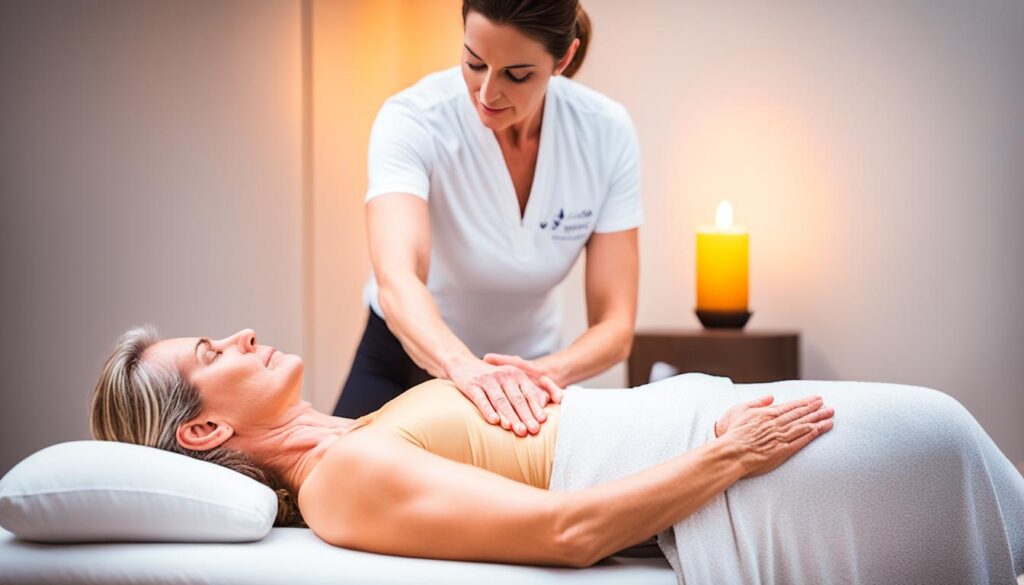
Thai massage offers a unique and invigorating experience that combines the benefits of yoga-like stretching, acupressure, and energy work. This popular massage modality is known for its ability to promote physical relaxation, mental well-being, and overall balance. Whether you’re seeking relief from muscle tension, improved flexibility, or simply a moment of deep relaxation, Thai massage may be the perfect choice for you.
Hot Stone Massage
Hot stone massage is a popular massage modality that incorporates the use of heated stones to enhance relaxation, relieve muscle tension, and promote overall well-being. This unique healing modality combines the benefits of therapeutic touch with the soothing warmth of carefully placed stones.
During a hot stone massage, smooth, flat stones are heated to a comfortable temperature and then placed strategically on specific areas of the body. These heated stones are typically made of basalt, a type of volcanic rock known for its ability to retain heat.
Hot stone massage is a therapeutic experience that can provide deep relaxation and alleviate muscle pain and tension.
The heated stones assist in loosening tight muscles, allowing the massage therapist to work more effectively and deeply on areas of tension, promoting better blood circulation and releasing toxins from the body.
The combination of heat and massage can have a profound effect on the body and mind, promoting a sense of calm and reducing stress. The warmth from the stones helps to relax both the muscles and the mind, creating a tranquil and rejuvenating experience.
In addition to its relaxing qualities, hot stone massage can provide therapeutic benefits such as:
- Relief from chronic pain
- Improved flexibility and range of motion
- Reduced inflammation
- Boosted immune system
- Enhanced sleep quality
If you’re seeking a massage modality that offers both deep relaxation and therapeutic benefits, hot stone massage is an excellent choice. Its combination of soothing heat, skillful massage techniques, and unique healing properties make it a popular option among individuals looking to unwind and rejuvenate.
Aromatherapy Massage
Aromatherapy massage combines the therapeutic power of touch with the natural healing properties of essential oils. This specialized massage treatment is gaining popularity among individuals seeking a holistic approach to relaxation, balance, and overall well-being.
During an aromatherapy massage, a trained therapist applies various massage techniques while incorporating essential oils derived from plants. These oils are carefully selected based on their specific therapeutic properties, such as lavender for relaxation or peppermint for revitalization.
The use of aromatic oils not only enhances the sensory experience but also promotes physical and emotional healing. When inhaled or absorbed through the skin, the essential oils can stimulate the limbic system, which is responsible for emotions, memory, and mood. The combination of gentle massage and the inhalation of these fragrant oils creates a deeply relaxing and invigorating experience.
Aromatherapy massage is known to provide a wide range of benefits. It can help reduce stress and anxiety, improve sleep quality, alleviate muscle tension, and boost overall mood and well-being. Additionally, the specialized nature of aromatherapy massage allows for personalized treatment based on individual needs and preferences.
“Aromatherapy massage is a powerful tool for promoting relaxation, balancing emotions, and supporting overall wellness. It harnesses the healing properties of essential oils to create a rejuvenating experience for both the body and mind.”
Aromatherapy massage is often sought after as a specialized massage treatment due to its ability to address specific concerns while providing a deeply relaxing experience. Whether you’re looking to soothe the mind, relieve tension, or uplift the spirits, aromatherapy massage offers a unique and therapeutic approach to massage therapy.
Pregnancy Massage
During pregnancy, a woman’s body undergoes numerous changes, both physical and emotional. Pregnancy massage is a specialized massage treatment that addresses the unique needs and concerns of expectant mothers, providing relief and relaxation during this transformative time. It is one of the popular massage modalities sought after by pregnant women.
Pregnancy massage therapists are trained in specific techniques that ensure the safety and comfort of the mother and baby. The massage is tailored to accommodate the changing body and focuses on easing common discomforts associated with pregnancy, such as backaches, swelling, and joint pain.
The massage therapist may use a combination of gentle strokes, kneading, and mild pressure to address the specific needs of the expectant mother. They may also incorporate props such as pregnancy pillows or bolsters to ensure optimal positioning and support during the massage.
Pregnancy massage offers numerous benefits. It helps to reduce stress and anxiety, relieve muscle tension and cramps, improve circulation, and promote overall relaxation. It can also alleviate common pregnancy discomforts such as headaches, leg cramps, and edema.
It is essential to consult with a healthcare provider before scheduling a pregnancy massage to ensure it is safe for both the mother and baby. A qualified and experienced pregnancy massage therapist will have the necessary knowledge and skills to provide a safe and effective treatment.
The Benefits of Pregnancy Massage:
- Relieves muscle tension and cramps
- Reduces stress and anxiety
- Improves circulation
- Alleviates common pregnancy discomforts
- Promotes relaxation and overall well-being
“Pregnancy massage provides expectant mothers with a supportive and nurturing experience during a time of remarkable physical and emotional changes.” – [Insert Name], Certified Prenatal Massage Therapist
It is crucial to seek a qualified massage therapist who specializes in prenatal massage therapy. They will have the expertise to adapt the techniques and ensure the safety and comfort of the mother and baby throughout the session.
| Benefits of Pregnancy Massage | Techniques Used |
|---|---|
| Relieves muscle tension and cramps | Gentle strokes, kneading, mild pressure |
| Reduces stress and anxiety | Positioning for optimal comfort, soothing strokes |
| Improves circulation | Smooth, rhythmic movements |
| Alleviates common pregnancy discomforts | Targeted compression, stretches, joint mobilization |
| Promotes relaxation and overall well-being | Swedish massage techniques, aromatherapy |
Conclusion
In conclusion, the world of massage therapy is rich and diverse, offering a wide range of modalities to address various health concerns and promote overall well-being. By exploring different types of massage therapy, individuals can discover the techniques that best suit their needs and preferences, unlocking the numerous benefits that each modality has to offer.
From the soothing strokes of Swedish massage to the targeted pressure of deep tissue massage, there are modalities to cater to relaxation, pain relief, sports performance, and pregnancy-related concerns. Each modality brings its unique approach and healing properties, making the world of massage therapy an ever-evolving landscape of possibilities.
Whether you are seeking stress relief, improved circulation, muscle relaxation, or mind-body connection, there is a massage modality suited to your specific goals. So take the time to explore the different types of massage therapy available and discover a world of wellness that can enhance your overall health and quality of life.
FAQ
What are massage therapy modalities?
Massage therapy modalities refer to the different types of massage techniques and specialized bodywork approaches used in therapeutic massage. They encompass a variety of unique healing modalities that cater to specific needs and preferences.
Why is it important to explore different massage therapy modalities?
Exploring different massage therapy modalities allows individuals to find the best approach that works for their specific needs. Each modality offers its own set of benefits and techniques, providing a customized and effective massage experience.
What are some popular massage modalities?
Some popular massage modalities include Swedish massage, deep tissue massage, sports massage, reflexology, Thai massage, hot stone massage, aromatherapy massage, and pregnancy massage. Each modality offers unique benefits and caters to different needs.
What is Swedish massage?
Swedish massage is a widely practiced modality characterized by long, flowing strokes, kneading, and circular motions. It promotes relaxation, improves circulation, relieves muscle tension, and enhances overall well-being.
How does deep tissue massage differ from other massage modalities?
Deep tissue massage focuses on releasing chronic muscle tension and targeting deep layers of muscles and connective tissues. It utilizes slow, deliberate strokes and deep pressure to alleviate pain and restore mobility.
What are the benefits of sports massage?
Sports massage aims to enhance athletic performance, prevent injuries, and aid in post-workout recovery. It combines various techniques, including stretching and targeted deep tissue work, to improve flexibility, reduce muscle soreness, and promote overall sports performance.
What is reflexology?
Reflexology is a massage modality that involves applying pressure to specific points on the feet and hands. By stimulating these points, it can help promote relaxation, improve circulation, relieve tension, and support overall well-being.
What can I expect during a Thai massage session?
Thai massage combines yoga-like stretching, acupressure, and energy work. During a session, you will be guided through various poses and stretches while the therapist applies rhythmic pressure along the energy lines of the body to improve flexibility, relieve muscle tension, and promote a sense of balance and relaxation.
How does hot stone massage work?
Hot stone massage involves using heated stones placed on specific areas of the body to promote deep relaxation and alleviate muscle tension. The heat from the stones helps to improve circulation, speed up the healing process, and enhance the overall massage experience.
What is aromatherapy massage?
Aromatherapy massage combines the use of essential oils with massage techniques to promote relaxation, balance, and overall well-being. The scents of the essential oils can have a calming or invigorating effect, depending on the chosen blend.
What makes pregnancy massage different from other massage modalities?
Pregnancy massage is specifically tailored to the needs of expectant mothers. It uses specialized techniques to address the discomforts and concerns associated with pregnancy, promoting relaxation, reducing muscle tension, and improving overall well-being.
Why should I explore different massage therapy modalities?
Exploring different massage therapy modalities allows you to discover the most effective techniques for your specific needs. It provides a diverse range of benefits and ensures that you receive a customized massage experience that enhances your overall health and well-being.