
Sleep disorders can have a significant impact on an individual’s overall health and well-being. To ensure prompt diagnosis and effective management of sleep disorders, it is essential to be aware of the common symptoms associated with these conditions. This article provides a comprehensive sleep disorders symptoms checklist that can help identify the signs indicative of various sleep disorders. By recognizing these symptoms, individuals can seek professional help and take steps to improve their sleep health, leading to better overall health outcomes.
When it comes to sleep disorders, early detection is key. By recognizing the signs and symptoms, individuals can seek timely medical intervention and implement lifestyle changes to improve their sleep quality. This sleep disorders symptoms checklist serves as a valuable tool in identifying potential sleep disorders. By checking off the symptoms that resonate with their experiences, individuals can gain a better understanding of their sleep health and determine when it’s necessary to seek professional help.
Table of Contents
Key Takeaways:
- Being aware of sleep disorder symptoms is crucial for early detection and prompt treatment.
- The sleep disorders symptoms checklist can help individuals identify potential issues and seek professional help if necessary.
- Recognizing and addressing sleep disorders can lead to better overall health and well-being.
- Improving sleep health can involve lifestyle changes, medical interventions, and practicing good sleep hygiene.
- Using the provided sleep disorders symptoms checklist can empower individuals to take control of their sleep health and make informed decisions about seeking treatment.
Understanding Sleep Disorders and Their Impact on Health
Sleep disorders can significantly affect an individual’s overall health and well-being. It is essential to have a comprehensive understanding of these conditions to recognize their symptoms and seek appropriate treatment. This section explores what constitutes a sleep disorder, the relationship between sleep and overall well-being, and common misconceptions surrounding sleep disorders.
What Constitutes a Sleep Disorder?
A sleep disorder is a condition that disrupts an individual’s normal sleep patterns, leading to difficulties in falling asleep, staying asleep, or achieving restful sleep. These disorders can have various causes, including medical conditions, lifestyle factors, and environmental factors. It is important to note that occasional sleep disturbances are common but become a concern when they persist and negatively impact daily functioning and quality of life.
The Relationship Between Sleep and Overall Well-being
Sleep plays a crucial role in maintaining overall health and well-being. It is during sleep that the body repairs and rejuvenates itself, supporting cognitive function, immune health, and emotional well-being. Adequate sleep duration and quality are essential for optimal physical and mental performance, as well as the prevention of chronic health conditions such as cardiovascular disease, diabetes, and obesity.
Common Misconceptions About Sleep Disorders
There are several misconceptions surrounding sleep disorders that can hinder the recognition and treatment of these conditions. Some of these misconceptions include:
- Sleep disorders are normal and not a cause for concern. On the contrary, sleep disorders can significantly impact an individual’s health and quality of life if left untreated.
- Only people with severe symptoms have sleep disorders. Sleep disorders can manifest in various ways, and even mild symptoms should not be ignored.
- Sleep disorders only affect older adults. Sleep disorders can occur at any age, from childhood to adulthood.
- You can overcome sleep disorders on your own. While certain lifestyle changes may improve sleep, professional help is often necessary for proper diagnosis and treatment.
By dispelling these misconceptions and increasing awareness, individuals can take proactive steps towards recognizing and addressing sleep disorders, leading to improved overall health and well-being.
Common Sleep Disorder Symptoms
In this section, we will explore the common symptoms associated with sleep disorders. These symptoms may vary depending on the type of sleep disorder but often include:
- Fatigue: Persistent tiredness and lack of energy, even after a full night’s sleep.
- Daytime sleepiness: Feeling excessively drowsy during the day, leading to difficulty staying awake and decreased concentration.
- Difficulty falling or staying asleep: Struggling to initiate or maintain sleep throughout the night.
- Snoring: Loud, disruptive breathing sounds during sleep, often causing disturbances for both the individual and their sleep partner.
- Restless legs: Uncomfortable sensations in the legs, such as itching or tingling, often accompanied by a strong urge to move them.
- Abnormal sleep behaviors: Engaging in unusual sleep activities, such as sleepwalking, sleep talking, or nightmares, that can disrupt sleep quality.
By understanding these symptoms, individuals can become more aware of their sleep patterns and seek appropriate medical intervention if necessary. Recognizing and addressing sleep disorder symptoms is crucial for improving sleep health and overall well-being.

Types of Sleep Disorders You Should Know
In order to effectively manage sleep disorders, it is crucial to have a comprehensive understanding of the different types of sleep disorders that individuals may experience. This section provides an overview of four common sleep disorders: insomnia, sleep apnea, restless legs syndrome (RLS), and narcolepsy. By familiarizing themselves with the characteristics and symptoms of these disorders, individuals can better recognize the signs and seek appropriate treatment and management strategies.
Insomnia – The Plague of Sleeplessness
Insomnia is a sleep disorder characterized by persistent difficulty falling asleep, staying asleep, or experiencing non-restorative sleep. Individuals with insomnia often experience fatigue, daytime sleepiness, irritability, and impaired concentration. This disorder can significantly impact a person’s overall well-being and quality of life.
Sleep Apnea – More Than Just Snoring
Sleep apnea is a sleep-related breathing disorder where a person’s breathing repeatedly stops and starts during sleep. It is commonly associated with loud snoring and excessive daytime sleepiness. Sleep apnea can lead to complications such as high blood pressure, heart disease, and stroke if left untreated.
Restless Legs Syndrome (RLS) and its Peculiarities
Restless Legs Syndrome (RLS) is a neurological disorder characterized by an irresistible urge to move the legs due to uncomfortable sensations. Individuals with RLS often experience unpleasant creeping, crawling, or tingling sensations in their legs that are temporarily relieved by movement. This can result in sleep disturbances and excessive daytime sleepiness.
Narcolepsy – The Overwhelming Urge to Sleep
Narcolepsy is a neurological disorder that affects the brain’s ability to regulate sleep-wake cycles. Individuals with narcolepsy experience excessive daytime sleepiness, sudden and uncontrollable sleep episodes, and cataplexy (sudden loss of muscle tone). These symptoms can significantly interfere with daily activities, work, and social interactions.
| Sleep Disorder | Characteristics | Symptoms |
| Insomnia | Difficulty falling asleep, staying asleep, or non-restorative sleep | Fatigue, daytime sleepiness, irritability, impaired concentration |
| Sleep Apnea | Repeated pauses in breathing during sleep | Loud snoring, excessive daytime sleepiness |
| Restless Legs Syndrome (RLS) | Uncomfortable sensations in the legs, relieved by movement | Sleep disturbances, excessive daytime sleepiness |
| Narcolepsy | Disrupted sleep-wake cycles, sudden sleep episodes | Excessive daytime sleepiness, cataplexy (sudden loss of muscle tone) |
Identifying Signs of Sleep Disorders
This section highlights the subtle clues that may indicate the presence of a sleep disorder. It discusses common signs such as fatigue, mood changes, difficulty concentrating, and impaired daytime functioning. These signs can be indicative of various sleep disorders and should not be ignored. If you frequently experience fatigue, find yourself constantly irritable or sad, struggle to focus during the day, or notice a decline in your overall mood, it may be time to consider the possibility of a sleep disorder.
Sleep hygiene plays a crucial role in recognizing these signs. Sleep hygiene refers to the habits and practices that promote a healthy sleep routine. By prioritizing good sleep hygiene, which includes maintaining a consistent sleep schedule, creating a comfortable sleep environment, and practicing relaxation techniques before bed, you can potentially improve your sleep quality and monitor any changes in your sleeping patterns more effectively. This, in turn, can help you identify potential sleep disorders and seek appropriate intervention.
Exploring Sleep Disorder Causes
Sleep disorders can be caused by a variety of factors, both internal and external. Understanding the underlying causes of sleep disorders is crucial for identifying triggers and implementing the appropriate measures for improvement. This section will delve into the various causes and risk factors associated with sleep disorders, providing valuable insights for individuals seeking to address their sleep-related issues.
1. Environmental Disruptions: Noise, temperature, light, and uncomfortable sleeping conditions can interfere with sleep quality.
2. Lifestyle Choices: Irregular sleep schedules, excessive caffeine or alcohol consumption, and the use of electronic devices before bedtime can disrupt sleep patterns.
3. Work Schedules: Shift work, night shifts, and irregular work hours can disrupt the body’s natural sleep-wake cycle, leading to sleep disturbances.
Internal Factors:
1. Genetics: There can be a genetic predisposition to certain sleep disorders, such as narcolepsy or restless legs syndrome.
2. Underlying Medical Conditions: Sleep disorders can be associated with medical conditions like depression, anxiety, sleep apnea, or neurological disorders.
By understanding the potential causes of sleep disorders, individuals can take proactive steps to mitigate these factors and improve their sleep hygiene. Making necessary lifestyle changes, seeking appropriate medical intervention, and ensuring a conducive sleep environment can significantly contribute to better sleep quality and overall well-being.
Guidelines for a Sleep Disorder Diagnosis
Diagnosing sleep disorders requires the expertise of a sleep specialist who can conduct a comprehensive evaluation and recommend appropriate diagnostic tools. Consulting with a sleep specialist is crucial to ensure accurate diagnosis and effective treatment. Through a thorough assessment, the specialist will gather essential information about your sleep patterns, symptoms, and medical history.
Consulting with a Sleep Specialist
When experiencing persistent or worsening sleep problems, it is essential to consult with a sleep specialist. Sleep specialists are healthcare professionals with specialized training in sleep medicine and can provide expert guidance in diagnosing and managing sleep disorders. They will conduct a detailed evaluation, which may include:
- Thorough sleep history assessment
- Physical examination
- Review of medical history and medications
- Discussion of symptoms and their impact on daily life
- Recommendations for diagnostic tests and procedures
The Diagnostic Tools: From Polysomnography to Actigraphy
In order to accurately diagnose sleep disorders, sleep specialists may utilize various diagnostic tools and tests. These tools help gather objective data and provide insights into an individual’s sleep patterns and behaviors. Some commonly used diagnostic tools include:
- Polysomnography (PSG): This comprehensive sleep study involves monitoring various physiological parameters during sleep, including brain activity, eye movements, muscle activity, heart rate, and breathing patterns. PSG is often conducted in a sleep laboratory or clinic.
- Actigraphy: Actigraphy involves wearing a small, wrist-worn device called an actigraph to gather data on sleep and wake patterns. It measures movement and light exposure to estimate sleep and wake times over an extended period of time.
These diagnostic tools provide valuable information that aids in determining the presence and severity of sleep disorders, assisting healthcare professionals in formulating an accurate diagnosis and developing an appropriate treatment plan.
Self-Reported Symptoms and Sleep Logs
In addition to objective diagnostic tools, self-reported symptoms and sleep logs play a crucial role in the diagnosis of sleep disorders. Keeping a sleep log can provide valuable information about an individual’s sleep habits, including sleep/wake times, sleep quality, and any associated symptoms or behaviors. Sleep specialists often rely on these self-reports to gain insights into the subjective experience of sleep and to identify any patterns or issues.
Self-reported symptoms should be detailed and specific, describing the nature and frequency of sleep disturbances, daytime symptoms, and any factors that may exacerbate or alleviate sleep problems. This information, along with the sleep log, helps paint a comprehensive picture of the individual’s sleep patterns and aids in the diagnostic process.
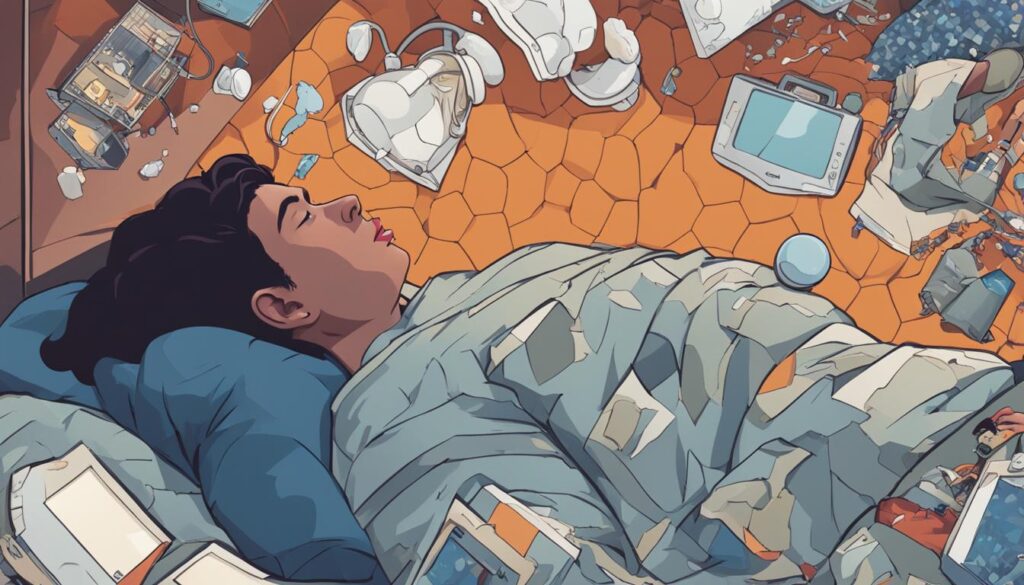
Sleep Disorders Symptoms Checklist
In order to self-assess their sleep health and identify potential sleep disorders, individuals can refer to the following comprehensive checklist of common symptoms:
- Excessive daytime sleepiness: Feeling excessively tired and lacking energy during the day despite getting enough sleep at night.
- Insomnia: Difficulty falling asleep, staying asleep, or experiencing non-restorative sleep.
- Snoring: Loud and frequent snoring that disrupts sleep patterns.
- Gasping or choking during sleep: Waking up abruptly due to gasping or choking sensations.
- Restless legs: Uncomfortable sensations in the legs, often accompanied by a strong urge to move them.
- Nightmares or vivid dreams: Disturbing dreams that occur frequently during sleep and may cause sleep disturbances.
- Difficulty breathing: Feeling short of breath or experiencing breathing difficulties during sleep.
- Periodic limb movement disorder (PLMD): Involuntary and repetitive movements of the legs or arms during sleep.
- Excessive nighttime sweating: Experiencing intense sweating during sleep, often leading to wet sheets or clothing.
If you’re experiencing any of these symptoms regularly or if they significantly affect your quality of sleep or daily functioning, it may be time to seek professional help for further evaluation and treatment.
The Comprehensive Checklist for Identifying Sleep Disorders
The comprehensive checklist above includes common symptoms associated with various sleep disorders. By carefully considering the presence of these symptoms in your sleep pattern, you can assess the likelihood of having a sleep disorder and make an informed decision about seeking professional assistance.
When to Seek Professional Help
If you’ve used the sleep disorders symptoms checklist and recognize multiple symptoms that align with a specific sleep disorder, it is essential to seek professional help for an accurate diagnosis and appropriate treatment. Sleep disorders can have a significant impact on your overall health and well-being, so it’s crucial not to delay seeking professional guidance if you suspect a sleep disorder may be affecting you.
Sleep Disorder Treatment Options and Management
When it comes to managing sleep disorders, it is essential to explore various treatment options that can effectively improve sleep quality and alleviate symptoms. Below are some common approaches that individuals can consider in consultation with healthcare professionals:
- Lifestyle Changes: Making certain lifestyle modifications can have a significant impact on sleep. This may include adopting a regular sleep schedule, creating a sleep-friendly environment, engaging in relaxation techniques, and avoiding stimulants like caffeine and electronics before bedtime.
- Medication: In some cases, medication may be prescribed to manage specific sleep disorders. Sleep medications can help regulate sleep patterns, reduce excessive daytime sleepiness, and improve overall sleep quality. It is crucial to follow medical advice and guidelines when using any medication.
- Therapy: Therapeutic interventions such as cognitive-behavioral therapy for insomnia (CBT-I) can be beneficial in treating sleep disorders. CBT-I focuses on identifying and addressing behaviors and thoughts that contribute to poor sleep and provides strategies to improve sleep quality naturally.
- Alternative Therapies: Some individuals may find relief from sleep disorders through alternative therapies. Options such as acupuncture, herbal supplements, aromatherapy, and relaxation techniques like yoga and meditation can complement traditional treatments and promote relaxation and better sleep.
“By exploring different treatment options and management strategies, individuals can work towards improving their sleep quality and overall well-being.”
It is vital for individuals with sleep disorders to work closely with healthcare professionals to determine the most suitable treatment approach. The effectiveness of treatment options may vary depending on the specific sleep disorder and individual circumstances. Regular follow-ups and open communication with healthcare providers are essential for monitoring progress, making adjustments if needed, and ensuring optimal sleep disorder management.
Preventive Measures and Sleep Disorder Tips
In this section, we provide preventive measures and practical tips for managing sleep disorders. By implementing these strategies, individuals can improve their sleep quality and overall well-being.
Lifestyle Changes that Can Make a Difference
Making certain lifestyle changes can have a significant impact on sleep health. Consider incorporating the following habits into your daily routine:
- Stick to a consistent sleep schedule, going to bed and waking up at the same time every day, even on weekends.
- Create a sleep-friendly environment by keeping your bedroom cool, quiet, and free from electronics.
- Avoid consuming stimulants like caffeine and nicotine close to bedtime.
- Engage in regular exercise, but avoid vigorous activity close to bedtime.
- Establish a relaxing bedtime routine to signal to your body that it’s time to sleep.
The Importance of Sleep Hygiene
Practicing good sleep hygiene is essential for promoting healthy sleep patterns. Incorporate these sleep hygiene tips into your daily routine:
- Avoid napping during the day or limit naps to 20-30 minutes.
- Avoid large meals, spicy foods, and excessive fluid intake close to bedtime.
- Create a cozy sleep environment with comfortable bedding and a supportive mattress.
- Keep your bedroom dark and quiet by using blackout curtains and earplugs if necessary.
- Establish a relaxing pre-sleep routine, such as reading a book or taking a warm bath.
Alternative Therapies and Relaxation Techniques
In addition to lifestyle changes and sleep hygiene practices, alternative therapies and relaxation techniques can also be beneficial in managing sleep disorders. Consider the following methods:
- Yoga and meditation: Engaging in gentle yoga poses and practicing meditation can help calm the mind and promote relaxation before sleep.
- Aromatherapy: Using essential oils like lavender or chamomile can create a soothing atmosphere and promote better sleep.
- Acupuncture: This traditional Chinese therapy involves inserting thin needles into specific points of the body to restore balance and improve sleep.
- Progressive muscle relaxation: This technique involves tensing and then relaxing different muscle groups to promote physical and mental relaxation.
- Deep breathing exercises: Focusing on deep, slow breaths can help calm the body and prepare it for sleep.
By incorporating these preventive measures, sleep disorder tips, and alternative therapies into your lifestyle, you can take proactive steps to manage sleep disorders and improve your overall sleep and well-being.
Conclusion
Recognizing and addressing sleep disorders is crucial for better overall health and well-being. By understanding and being aware of the common symptoms associated with sleep disorders, individuals can take proactive steps to improve their sleep health and achieve better overall health outcomes.
Using the provided sleep disorders symptoms checklist, individuals can self-assess their sleep health and identify potential issues that may require professional help. Consulting with a sleep specialist and undergoing a thorough evaluation can aid in the accurate diagnosis of sleep disorders.
Once diagnosed, there are various treatment options and management strategies available for individuals with sleep disorders. Lifestyle changes, medication, therapy, and alternative therapies can all play a role in improving sleep quality and managing symptoms effectively.
To prevent sleep disorders and promote better sleep, it is essential to make lifestyle changes, practice good sleep hygiene, and explore alternative therapies and relaxation techniques. By adopting these preventive measures, individuals can enhance their quality of life and achieve optimal sleep health.
FAQ
What are the common symptoms of sleep disorders?
Common symptoms of sleep disorders include fatigue, daytime sleepiness, difficulty falling or staying asleep, snoring, restless legs, and abnormal sleep behaviors.
What types of sleep disorders should I be aware of?
You should be aware of insomnia, sleep apnea, restless legs syndrome, and narcolepsy as common types of sleep disorders.
How can I identify signs of sleep disorders?
Signs of sleep disorders can include fatigue, mood changes, difficulty concentrating, and impaired daytime functioning.
What are some causes of sleep disorders?
Sleep disorders can be caused by factors such as environmental disruptions, lifestyle choices, work schedules, genetics, and underlying medical conditions.
What is involved in a sleep disorder diagnosis?
A sleep disorder diagnosis typically involves consulting with a sleep specialist who may use diagnostic tools such as polysomnography, actigraphy, and rely on self-reported symptoms and sleep logs.
Is there a checklist to help identify sleep disorder symptoms?
Yes, there is a comprehensive sleep disorders symptoms checklist that includes common symptoms associated with various sleep disorders. It can be a helpful tool for self-assessment.
What are the treatment options for sleep disorders?
Treatment options for sleep disorders can include lifestyle changes, medication, therapy, and alternative therapies, depending on the specific sleep disorder.
Are there preventive measures and tips for managing sleep disorders?
Yes, preventive measures and tips for managing sleep disorders include maintaining a consistent sleep schedule, creating a sleep-friendly environment, practicing good sleep hygiene, and exploring alternative therapies and relaxation techniques.